
Kidney Function Tests: Which Tests Check Your Kidney Health?
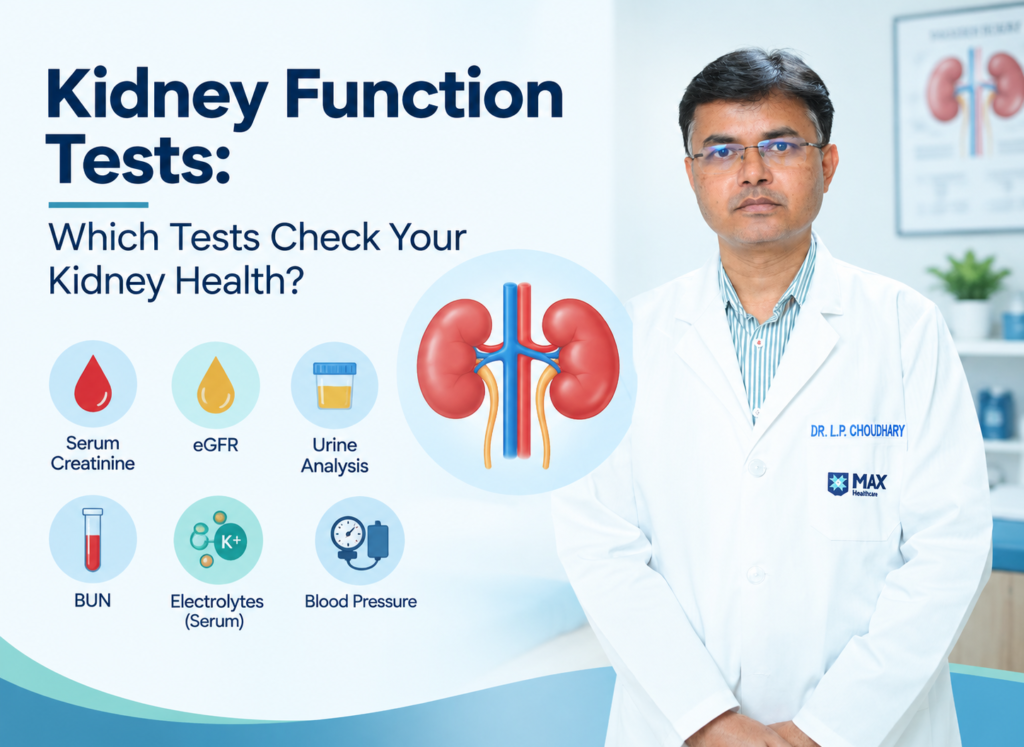
Kidneys work quietly in the background, filtering waste and balancing fluids without ever announcing themselves, which is exactly why problems can build up for years before anyone notices. Blood and urine tests are the only real way to catch declining kidney function early, long before symptoms would ever give it away.
Why These Tests Matter More Than People Realise
By the time kidney damage causes noticeable symptoms like swelling or fatigue, a significant portion of function has often already been lost. Routine testing catches subtle shifts while there is still time to slow things down, which is what makes these simple blood draws and urine samples so valuable.
Serum Creatinine
Creatinine is a waste product from normal muscle activity that healthy kidneys filter out efficiently. When kidney function drops, creatinine builds up in the blood instead of being cleared, so a simple blood test measuring its level gives a direct window into how well the kidneys are currently working.
Estimated Glomerular Filtration Rate
Often shortened to eGFR, this calculation uses your creatinine level along with age, s**, and sometimes race to estimate how much blood your kidneys filter each minute. It is considered the single most useful number for tracking kidney health over time, since it translates a raw lab value into something more meaningful.
Blood Urea Nitrogen
This test measures another waste product, urea, which rises when kidneys aren’t clearing it properly. It is usually interpreted alongside creatinine rather than on its own, since factors like dehydration or a high protein diet can also push this number up temporarily without reflecting true kidney damage.
Urine Albumin and Protein Testing
Healthy kidneys keep protein inside the bloodstream where it belongs. When the filtering units start to leak, albumin begins showing up in the urine, often well before creatinine or eGFR show any change. This makes it one of the earliest warning signs available, particularly important for people with diabetes or high blood pressure.
Basic Urinalysis
A simple urine sample checked for blood, protein, glucose, and signs of infection remains one of the most informative and least expensive tests available. It often flags issues that prompt further investigation long before more specialised testing would even be considered.
Imaging When Numbers Aren’t Enough
An ultrasound can reveal structural issues like cysts, stones, or blockages that blood tests alone cannot detect. In more complex cases, a CT scan or specialised imaging provides a clearer picture of exactly what is happening inside the kidneys, guiding whatever treatment comes next.
Who Should Be Getting Tested Regularly
People with diabetes, high blood pressure, a family history of kidney disease, or those over fifty benefit most from annual testing. Even without these risk factors, a baseline test every few years gives a useful reference point if anything changes later on.
Making Sense of Your Results
Numbers on a lab report rarely tell the whole story on their own, they need context from someone who understands trends over time and what small fluctuations actually mean. A Kidney Specialist in Greater Noida can interpret these results properly and explain what, if anything, needs to change based on your specific numbers.
When Testing Reveals Something More Serious
If results point toward stones, structural problems, or a urological cause behind declining kidney numbers, the next step usually involves more than just monitoring. Consulting the Best Urologist in Greater Noida at this stage ensures any underlying issue is properly diagnosed and treated rather than only tracked over repeated lab visits.
Conclusion
Kidney function tests are simple, inexpensive, and genuinely capable of catching trouble long before it becomes a crisis. Understanding what each test measures makes lab reports far less intimidating and puts you in a better position to ask the right questions. Dr. Lok Prakash Choudhary recommends that anyone with risk factors make these tests a routine part of their annual check-up rather than something to think about only after symptoms appear.