
How Lifestyle Affects Male Fertility
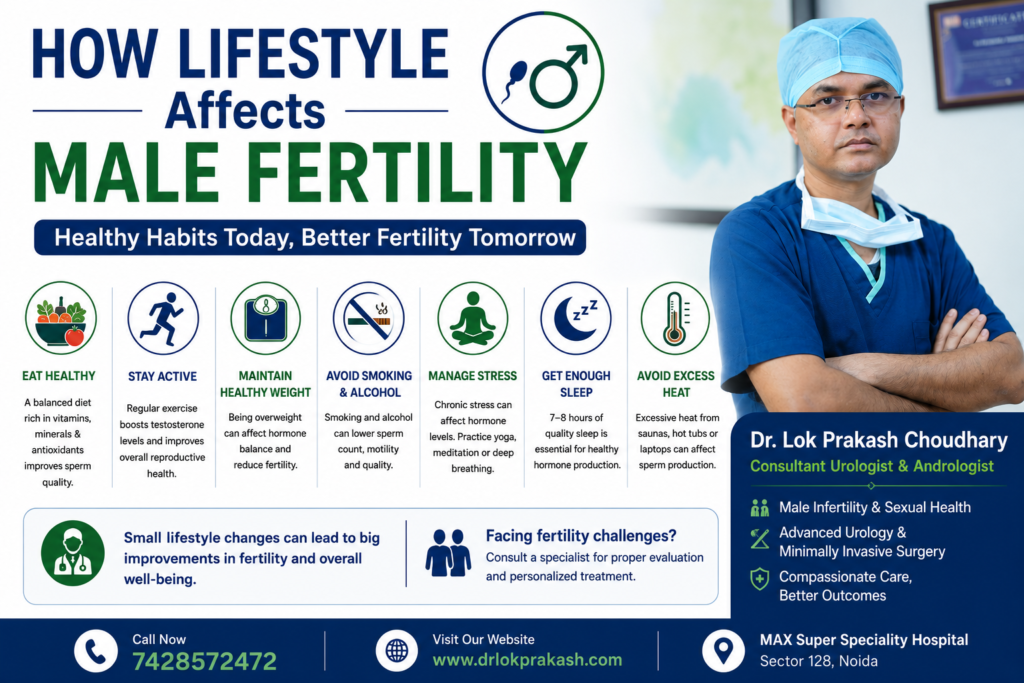
Men often overlook how sensitive their fertility is to their lifestyle choices. Your everyday decisions such as the food you eat and how much you sleep can all impact your hormone levels, the health of your sperm, and your overall fertility. Knowing how your decisions impact your fertility can prepare you to make the lifestyle changes you need to enhance your fertility so you can avoid medical interventions.
1. Diet and Nutrition
Nutrition is extremely important to sperm health. Incorporating fruits, vegetables, nuts, and whole grains, which all contain antioxidants, can help reduce the oxidative stress your sperm and help reduce DNA damage. Alternatively, processed foods, trans fats, and excess sugar can all damage your sperm health.
To improve your sperm health, you can include:
- Zinc to help with testosterone production (found in pumpkin seeds, red meat)
- Vitamin C &E to protect your sperm, which are powerful antioxidants
- Folate to help protect against sperm DNA Fragmentation
- Omega-3 fatty acids to improve sperm shape
2. Exercise and Weight Management
Moderate exercise can improve your testosterone and overall sperm health. Intense workouts can suppress sperm health and production especially in those using performance enhancers.
Carrying excess weight can also negatively impact your fertility. Obesity can lead to poor sperm quality from an imbalance in your hormones, increased estrogen levels, and increased your scrotal temperature. Maintaining a healthy weight and a balanced exercise and diet are important for your fertility.
3. Smoking and Alcohol Consumption
One of the main causes of male infertility is smoking. Cigarettes and their ingredients create toxins that damage the DNA in your sperm. They also lower your sperm counts and make your sperm less mobile. If you smoke, you are much more likely to have deformed sperm.
Excessive alcohol consumption results in lower testosterone, lower sperm counts, and even causes erectile dysfunction. Even a moderate amount of alcohol can disrupt your sperm count.
4. Stress and Mental Health
Chronic stress causes the release of a hormone called cortisol. One of the many effects of cortisol is that it lowers testosterone levels. Men that have chronic stress from any source show worse sperm levels and quality. Decreasing stress with healthy practices such as yoga, meditation, and sleep improves your fertility.
5. Heat Exposure and Sedentary Habits
The optimal temperature for your testes is lower than your body temperature. Sitting for extended periods of time, using laptops on your lap, frequent use of hot tubs, and using tight clothing can increase your temperature and decrease sperm count. If you are worried about your fertility, avoid sitting for long periods without a break and use loose clothing.
6. Environmental and Occupational Factors
Pesticides, metals, radiation, and other chemicals can damage sperm over extended periods of time. Men that are working and exposed to these chemicals in agriculture, manufacturing, and construction need to use protective equipment and have health checks on a regular basis.
When Lifestyle Changes Are Not Enough
Healthy lifestyle changes may be able to address fertility issues for some men, but unfortunately they do not work for everyone. If you and your partner have been trying to conceive for more than a year, then it is recommended that you attend a fertility specialist. There are many advanced Male Infertility Treatment in Greater Noida , including surgical sperm retrieval, hormonal therapy, and specialized plans for patients undergoing IUI and IVF with ICSI.
Seeking help for infertility should not be a source of embarrassment for men. Infertility is a medical condition and is not a reflection of a man’s capabilities. There is a higher success rate of achieving conception the earlier that treatment is received.
Lifestyle Changes and their Impact on Male Fertility
Making healthy lifestyle changes can directly affect male fertility. Changes such as improved nutrition and exercise along with a healthy mindset can eliminate the negative impacts that smoking, alcohol, and stress can have on male fertility. Heat exposure should be eliminated as much as possible as it can also negatively impact male fertility.
Conclusion
For male residents of the Delhi NCR region, industry leading Male Infertility Care is available thanks to dedicated and talented urologists and andrologists who utilize specialized and state-of-the-art methods and techniques.
For residents of Noida, Dr. Lok Prakash Choudhary is a highly celebrated and talented urologist and andrologist who has advanced training in the addressing of male infertility, reproduction and highly skilled and advanced surgeries.